
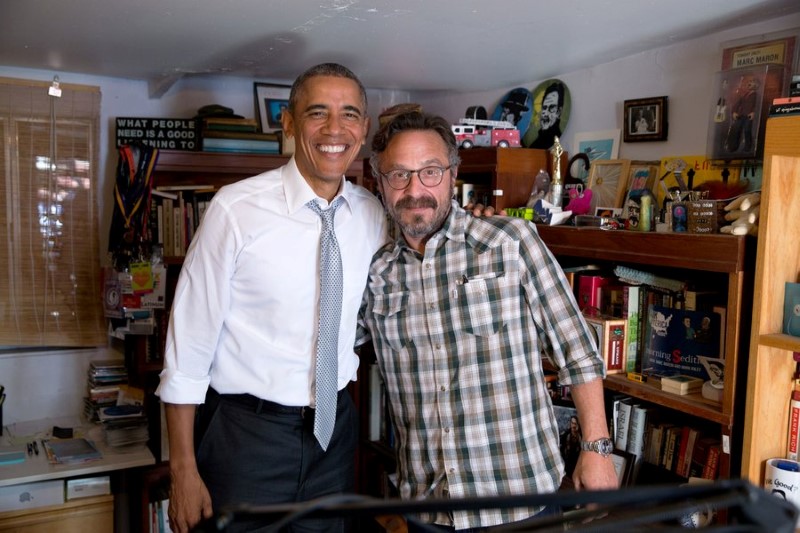

Last Friday (June, 19) comedian Marc Maron interviewed President Barack Obama. “I will be talking with the President of the United States, in my garage! It’s crazy! It’s crazy…” said Maron, just a few seconds before the President arrived.
This event was something that Maron questioned if it was really going to happen. After understanding that in fact it was, thoughts about the location for the interview emerged. “But where am I going to do it? Do I go to his hotel? No, they wanted to come to the garage”.
On that day, many were the Secret Service and LAPD people on site, and what normally is a calm neighborhood in Pasadena, CA., became a surreal place with snipers on the roofs and security tents set on driveways.
As a teenager, right before going to Columbia University, NY., Barack Obama lived very close to where the interview occurred. “If I thought to myself – when I was in college – that I’d be in a garage, a couple of miles from where I was living, doing an interview, as President, with a comedian… I think that’s hard to imagine” said POTUS.

And it’s easy to understand why. Back then, in 1980, Jimmy Carter was President, CNN had just been founded, and going to somebody’s house as a way of communicating to the public – while a president – was a very far-fetched idea.

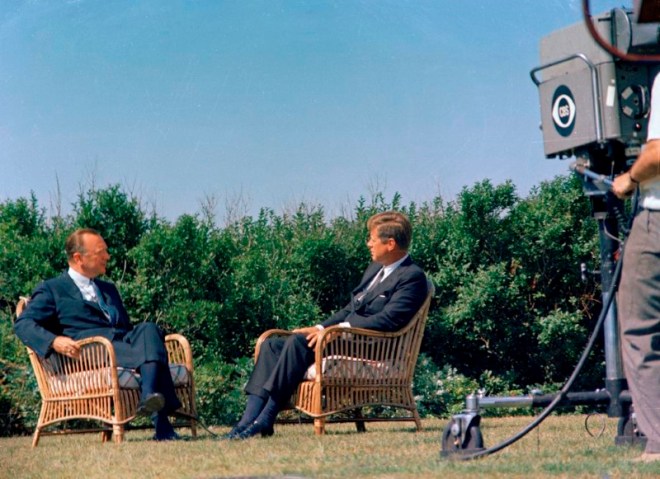

What fundamentally changed outcame from the advances in technology which, regarding this subject, allowed: a) what normally were large equipment and spaces to be reduced in an exponential manner, and b) the possibility of everyone to post their own contents in an online space ready to be disseminated worldwide.
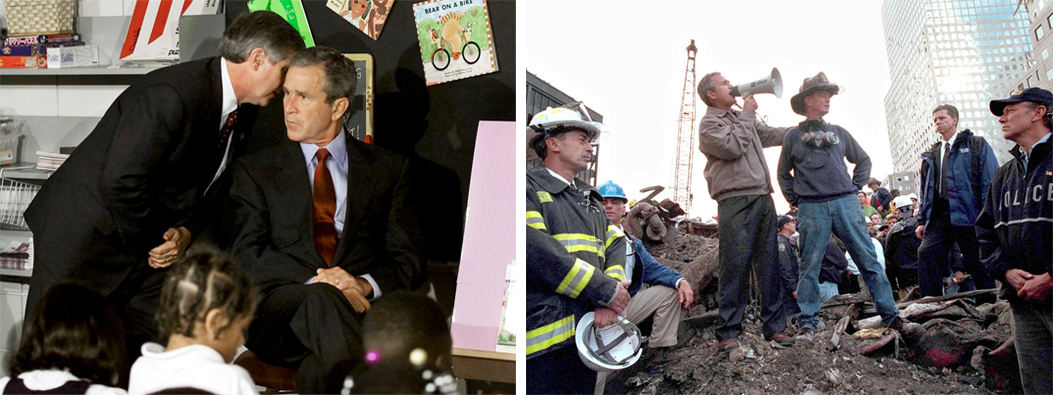
There is no communication without some kind of space for it to be broadcasted from. Thus, technology has made it possible for a change in what are the possible places where communication can be engaged.
The spaces where politicians communicate from and the mediums used by them are slowly changing and becoming less predictable. From public squares, presidents’ official residences and studios to houses and garages, from TV and radio to social media and personal websites, from respected news anchors to comedians, from formality to informality, A sort of “space democratization” is becoming more notorious throughout the years and with that the possibility of meaningful moments occurring in any kind of location.
Listen to the full interview here.

 hugospeepbox.com
Leave a Reply